
Developing Tactile Skills with Pre-Braille Skill Aids
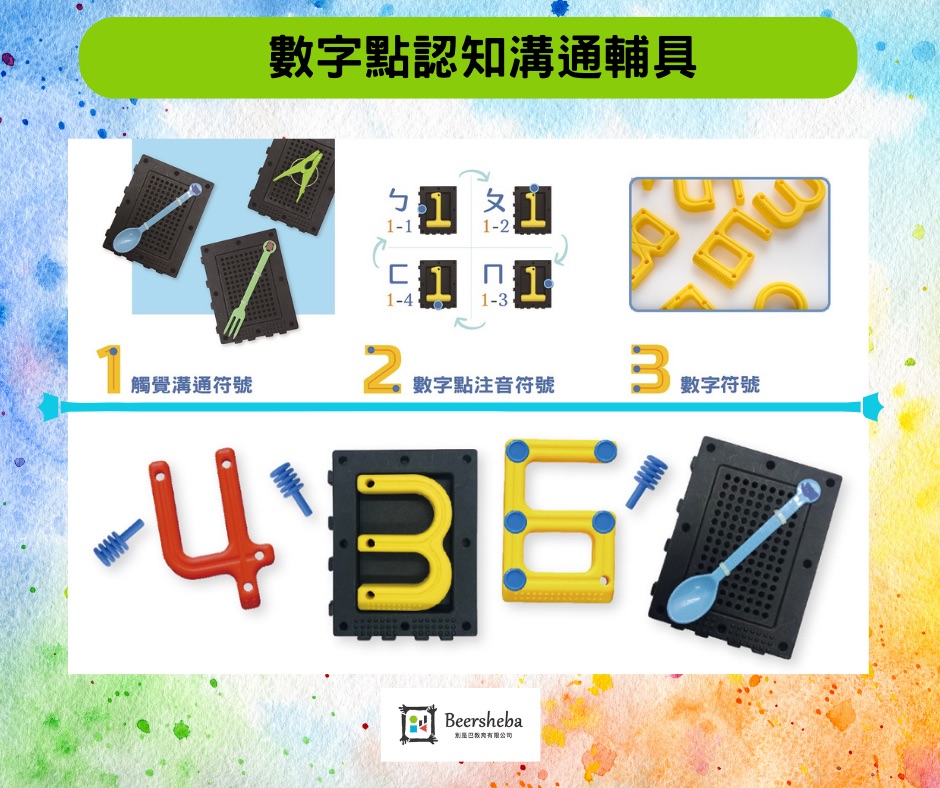
Learning to read and write through touch is a wonderful journey. For children with special learning needs, this journey can be made easier and more enjoyable with the right tools. Pre-braille skill aids are designed to help develop tactile skills before moving on to braille literacy. These aids build confidence and prepare young learners for the exciting world of braille.
Tactile skills are essential for children who rely on touch to understand their environment. Developing these skills early can make a big difference in their learning progress. In this post, I will share practical ways to use pre-braille skill aids to nurture tactile abilities. Let’s explore how these tools can make learning fun and effective!
Why Pre-Braille Skill Aids Matter
Pre-braille skill aids are more than just learning tools. They are stepping stones that help children become comfortable with tactile exploration. These aids focus on strengthening finger sensitivity, hand coordination, and spatial awareness. These skills are crucial for reading braille, which requires precise finger movements and touch recognition.
For example, children can start by feeling different textures, shapes, and raised patterns. This sensory experience helps their brain connect touch with meaning. Using pre-braille skill aids regularly encourages curiosity and builds a strong foundation for braille literacy.
Key benefits of pre-braille skill aids include:
Enhancing fine motor skills
Improving tactile discrimination
Boosting hand-eye coordination
Encouraging independent learning
Making learning playful and engaging
By incorporating these aids into daily activities, children develop confidence and readiness for braille reading.

How to Use Pre-Braille Skill Aids Effectively
Using pre-braille skill aids is simple and rewarding. The key is to create a supportive and encouraging environment. Here are some practical tips to get started:
Introduce one aid at a time
Start with simple tactile objects like raised dots, lines, or shapes. Let the child explore freely without pressure.
Use guided activities
Encourage the child to trace patterns with their fingers. You can say, “Can you feel the circle? Let’s follow its edge together!”
Incorporate daily routines
Use tactile aids during storytime or playtime. This helps children associate touch with learning naturally.
Repeat and reinforce
Repetition helps build memory and confidence. Practice regularly but keep sessions short and fun.
Celebrate progress
Praise every small achievement. Positive feedback motivates children to keep trying.
Remember, patience is important. Every child learns at their own pace. The goal is to make tactile learning a joyful experience.
Exploring Different Types of Pre-Braille Skill Aids
There are many types of pre-braille skill aids available, each designed to target specific tactile skills. Here are some popular options:
Raised shape boards
These boards have various raised shapes like circles, squares, and triangles. They help children recognize and differentiate shapes by touch.
Textured cards
Cards with different textures such as rough, smooth, bumpy, or soft. These encourage sensory exploration and tactile discrimination.
Dot pattern mats
Mats with raised dots arranged in patterns. They prepare children for the dot configurations used in braille.
Tactile puzzles
Puzzles with pieces that have distinct textures or raised edges. These improve hand coordination and problem-solving skills.
Stringing beads or buttons
Activities that involve threading beads or buttons with different textures enhance fine motor skills and finger dexterity.
Using a variety of these aids keeps learning interesting and covers multiple tactile skills. You can even create homemade aids using everyday materials like sandpaper, fabric scraps, or foam shapes.

Supporting Tactile Learning with Pre-Braille Skill Aids
Supporting tactile learning means more than just providing tools. It involves creating a nurturing atmosphere where children feel safe to explore and make mistakes. Here are some ways to support tactile skill development:
Be patient and encouraging
Celebrate curiosity and effort. Avoid rushing or correcting too quickly.
Use clear and simple language
Describe what the child is feeling. For example, “This shape feels bumpy and round.”
Involve multiple senses
Combine tactile aids with sounds or verbal descriptions to reinforce learning.
Create a routine
Consistent practice helps build habits and skills over time.
Collaborate with educators and therapists
Share observations and strategies to ensure consistent support across settings.
By combining these approaches with pre-braille skill aids, children gain a well-rounded tactile learning experience.
For those interested in exploring more about tactile learning tools, I recommend checking out pre braille skills learning aids that are designed to make this journey easier and more enjoyable.
Making Learning Fun and Meaningful
Learning should always be a joyful adventure! Pre-braille skill aids can turn tactile skill development into a game. Here are some fun ideas to try:
Tactile treasure hunt
Hide textured objects around the room and let the child find them by touch.
Storytime with textures
Use textured books or add tactile elements to stories to engage multiple senses.
Create tactile art
Use glue, sand, fabric, and other materials to make raised pictures or patterns.
Finger tracing games
Draw shapes or letters in sand or on textured surfaces and have the child trace them.
Matching games
Match textured cards or shapes to develop memory and tactile recognition.
These activities not only build skills but also strengthen the bond between the child and their learning environment. The more fun the experience, the more motivated the child will be!
Embracing the Journey of Tactile Learning
Developing tactile skills with pre-braille skill aids is a beautiful process. It opens doors to communication, independence, and confidence. Every small step forward is a victory worth celebrating!
I am inspired by the dedication of those who support children with special learning needs. With the right tools and a warm approach, we can help every child discover the joy of learning through touch. Let’s continue to explore, create, and grow together on this meaningful journey.
Remember, tactile learning is not just about skills - it’s about building a foundation for a bright and confident future. Keep encouraging, keep exploring, and watch the magic happen!
留言